
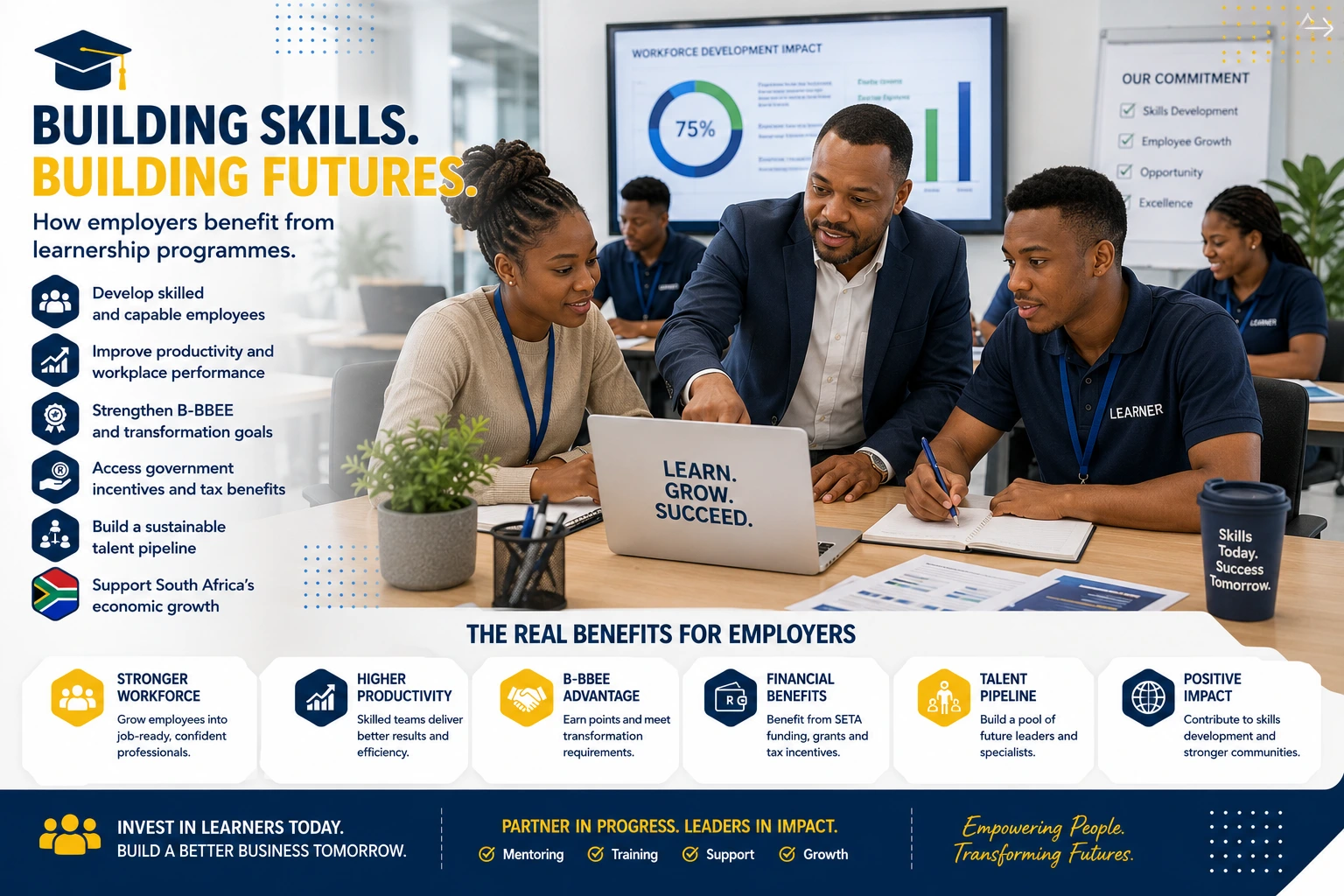
Discover how learnership programmes benefit South African employers through skills development, B-BBEE improvement, workforce growth, tax incentives, and long-term talent development. How Learnership Programmes Help South African.
Learnership programmes are often discussed from the perspective of unemployed youth and job seekers, but employers also gain significant advantages from participating in these structured training initiatives.
In South Africa’s evolving labour market, companies face increasing pressure to develop skills, improve productivity, meet transformation targets, and build sustainable talent pipelines. Learnership programmes have become one of the most practical tools businesses can use to achieve these goals while supporting national economic development.
From retail and logistics to healthcare, finance, engineering, and information technology, employers across industries are increasingly integrating learnerships into their long-term workforce strategies.
The reason is simple: learnerships allow companies to develop future employees while reducing some of the risks associated with external recruitment.
At the same time, businesses may qualify for government-backed incentives, improve B-BBEE performance, and strengthen workplace capability in a structured way.
As South Africa continues addressing youth unemployment and skills shortages, learnership programmes are becoming more important not only for job seekers, but also for employers trying to remain competitive in a changing economy.
ALSO READ 8 Top SETAs Offering Learnership Opportunities in South Africa Right Now
What Is a Learnership Programme? || How Learnership Programmes Help South African
A learnership is a structured work-based learning programme that combines theoretical training with practical workplace experience.
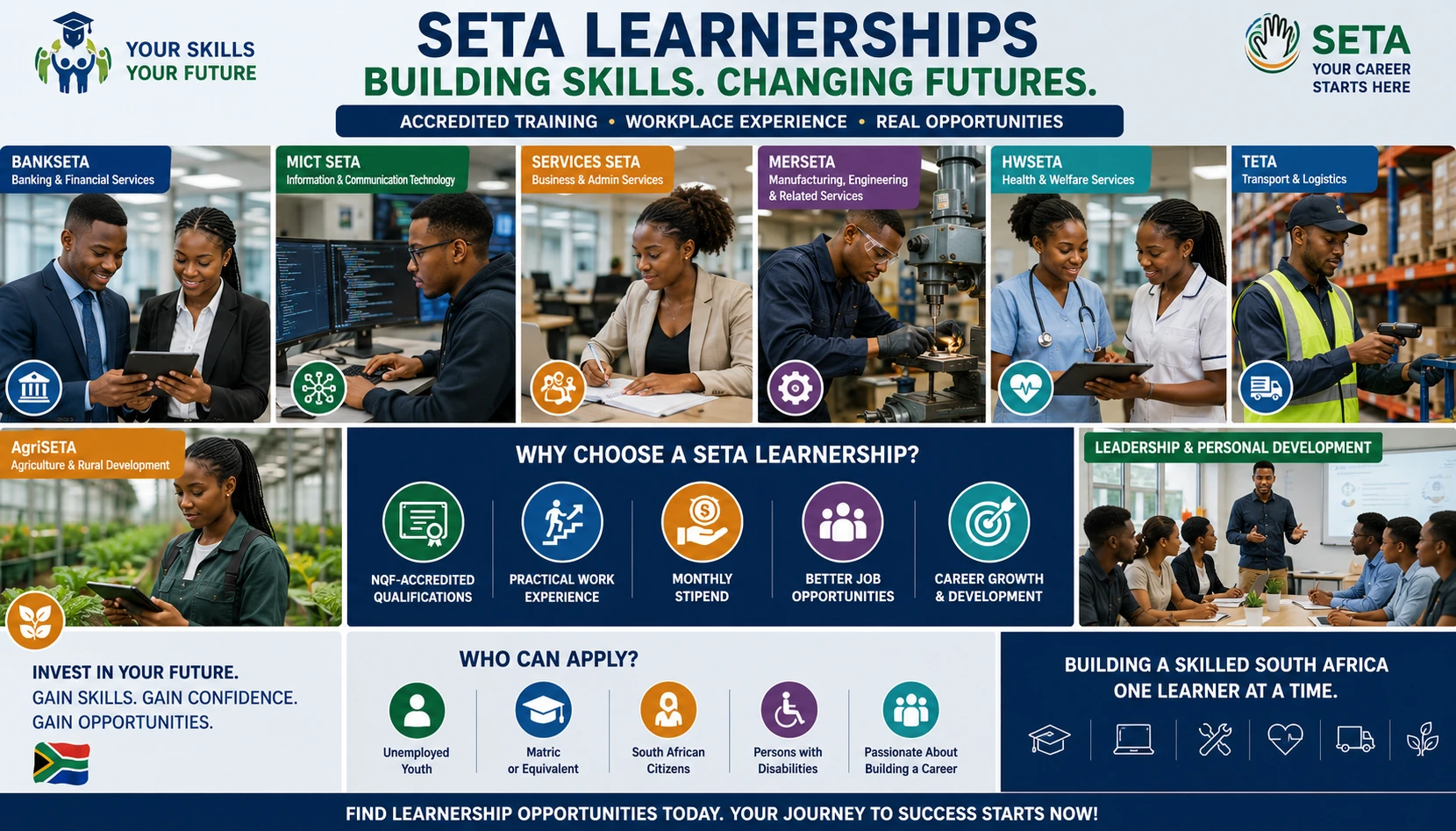
In South Africa, learnerships are generally aligned with the National Qualifications Framework (NQF) and supported through Sector Education and Training Authorities (SETAs).
The purpose of a learnership is to help participants gain recognised qualifications while developing practical workplace skills.
For employers, this creates an opportunity to train workers according to specific operational needs rather than relying entirely on external hiring.
Most learnerships include: How Learnership Programmes Help South African
- Accredited training
- Workplace exposure
- Skills development
- Formal assessment
- Industry-related qualifications
This structure helps businesses shape employees within their own operational environment from the beginning.
Why Employers Use Learnership Programmes to Build Talent Pipelines || How Learnership Programmes Help South African
One of the biggest advantages of learnership programmes is workforce development.
Many companies struggle to find candidates who already possess the exact skills, workplace discipline, or industry knowledge required for specialised roles.
External recruitment can also be expensive and unpredictable.
Learnerships help solve this problem by allowing employers to train individuals internally.
Instead of searching endlessly for “perfect candidates,” businesses can develop employees who already understand: How Learnership Programmes Help South African
- Company systems
- Workplace culture
- Operational processes
- Customer expectations
- Industry standards
This often creates smoother long-term workforce integration.
Employees who complete learnerships inside a company may adapt faster because they already understand the organisation’s environment and expectations.
For industries experiencing skills shortages, learnerships can become a strategic investment in future workforce stability.
Learnerships Can Reduce Recruitment and Training Costs-How Learnership Programmes Help South African
Recruitment costs can become extremely expensive for businesses, especially when staff turnover remains high.
Employers often spend money on: How Learnership Programmes Help South African
- Advertising vacancies
- Screening applications
- Conducting interviews
- Background checks
- Onboarding processes
- External training
When companies repeatedly hire inexperienced workers who leave quickly, operational costs increase significantly.
Learnership programmes help reduce some of these challenges.
Because learners are trained gradually within the business environment, employers can evaluate work ethic, adaptability, and performance before considering long-term employment opportunities.
This reduces the risk of hiring unsuitable candidates permanently.
Learnerships also allow businesses to align training directly with operational needs instead of relying entirely on generic qualifications from external institutions.
Over time, this may improve productivity while lowering retraining costs.
B-BBEE Benefits Make Learnerships Attractive to Businesses-How Learnership Programmes Help South African
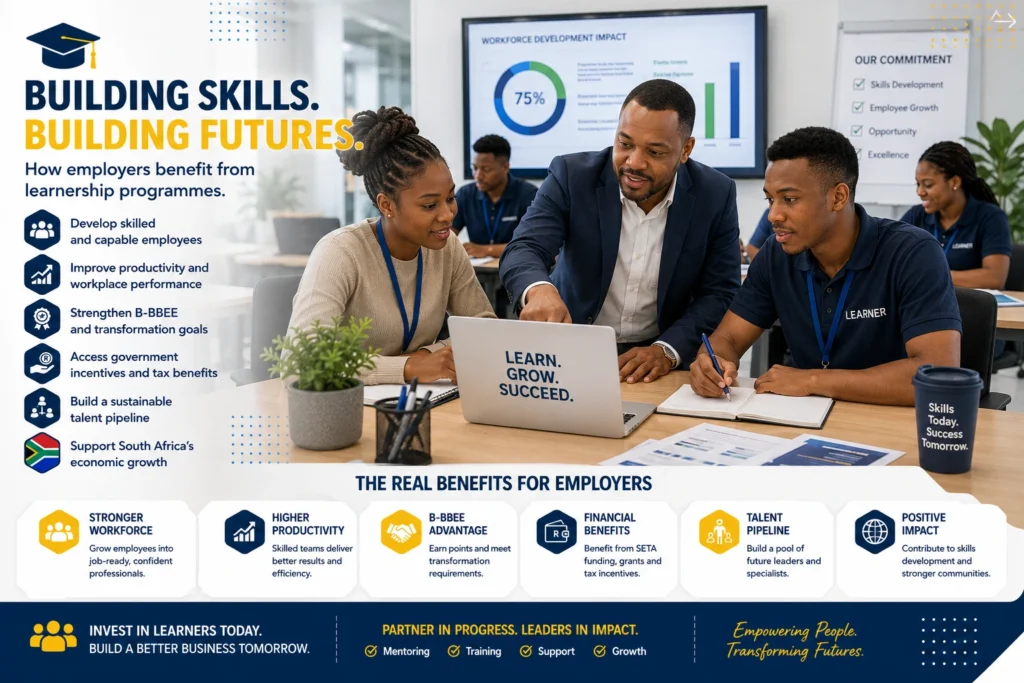
In South Africa, learnership programmes can also support Broad-Based Black Economic Empowerment (B-BBEE) objectives.
Skills development remains an important component of B-BBEE scorecards, particularly for medium and large businesses operating in competitive industries.
By participating in registered learnership programmes, employers may improve their: How Learnership Programmes Help South African
- Skills development points
- Employment Equity objectives
- Transformation initiatives
- Workforce diversity goals
For many companies, strong B-BBEE performance influences: How Learnership Programmes Help South African
- Government tender opportunities
- Corporate partnerships
- Supplier relationships
- Market competitiveness
As a result, learnerships often provide both social and commercial advantages.
Businesses are not only supporting workforce transformation but also strengthening compliance and competitiveness within the South African economy.
Tax Incentives Encourage Employer Participation-How Learnership Programmes Help South African
Another major reason companies participate in learnership programmes involves financial incentives.
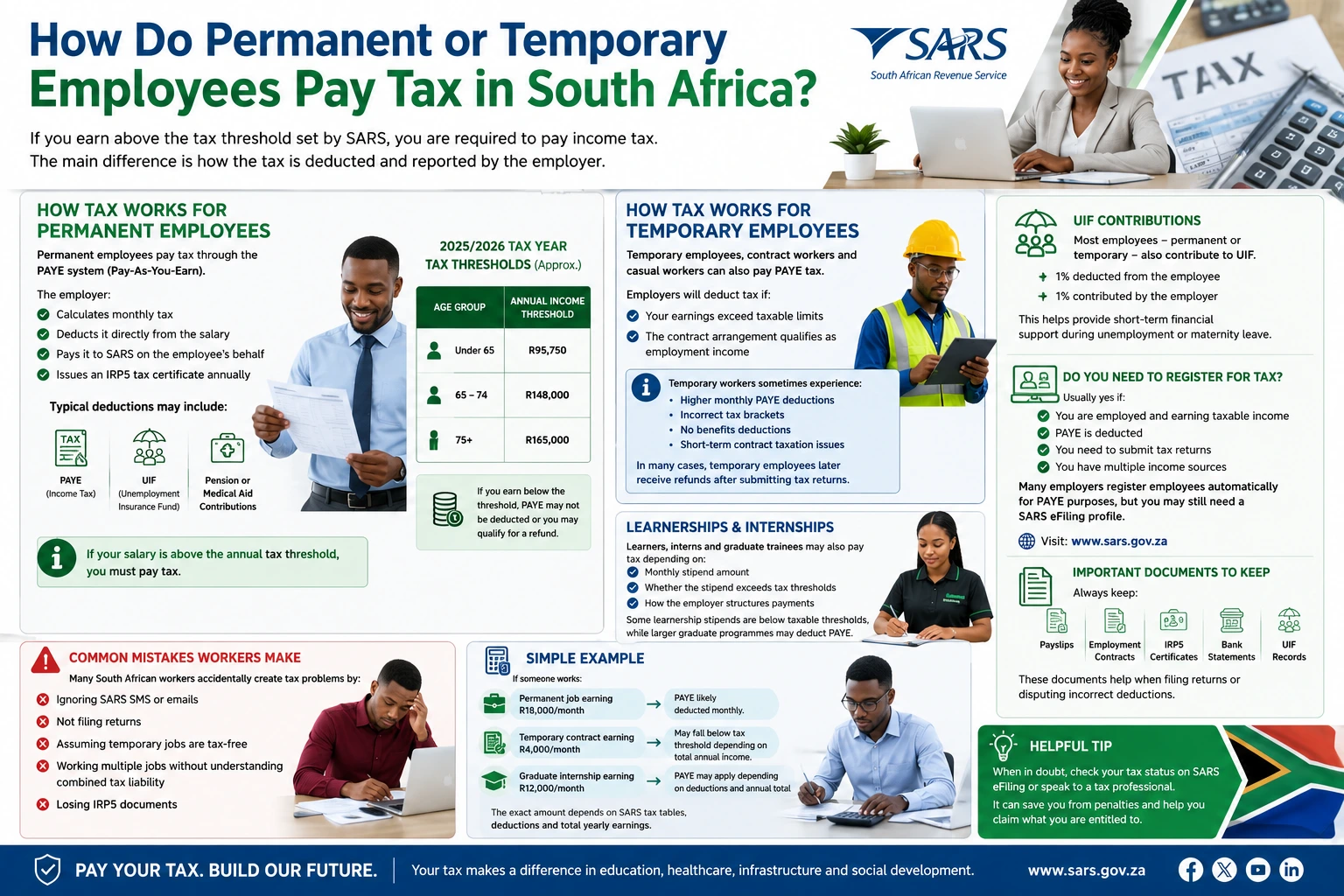
The South African government provides certain tax benefits linked to registered learnership agreements.
These incentives are designed to encourage businesses to invest in workforce development and reduce barriers to training participation.
Although exact tax benefits may vary depending on legislation and programme structure, employers can potentially benefit through:
- Learnership allowances
- Tax deductions
- Skills development incentives
For businesses already spending money on workforce training, learnership-related incentives may improve return on investment.
This makes learnerships particularly attractive to companies trying to balance operational growth with workforce development responsibilities.
The combination of operational training, talent development, and financial support creates a practical business case for participation.
Learnerships Help Improve Workplace Productivity
Workplace productivity often improves when employees understand operational systems clearly and receive structured training.
Learnership programmes create an environment where workers develop practical competencies gradually instead of learning entirely through trial and error.
This is especially important in sectors where operational accuracy matters, such as:
- Healthcare
- Retail
- Manufacturing
- Logistics
- Finance
- Customer service
Employees who complete structured training programmes may perform tasks more confidently because they already understand company procedures and expectations.
Learnerships can also strengthen teamwork and communication within organisations.
Learners often develop:
- Time management skills
- Workplace discipline
- Problem-solving abilities
- Communication confidence
- Professional accountability
Over time, these qualities contribute to stronger organisational performance.
Why Learnerships Support Long-Term Economic Growth
Beyond individual businesses, learnership programmes contribute to broader economic development.
South Africa continues facing challenges related to:
- Youth unemployment
- Skills shortages
- Limited workplace experience
- Economic inequality
Learnerships help address these issues by creating pathways between education and employment.
For employers, participating in skills development can improve corporate reputation while supporting national workforce development goals.
Businesses that actively invest in training often position themselves as employers committed to long-term sustainability rather than short-term labour usage.
This can improve employee loyalty, public perception, and workplace culture over time.
Industries that consistently invest in workforce development also tend to build stronger operational resilience during economic uncertainty.
What This Means Going Forward-How Learnership Programmes Help South African
Learnership programmes are likely to become even more important as South Africa’s labour market continues evolving.
Automation, digital systems, and changing operational demands are reshaping the skills employers need across multiple industries.
Companies may increasingly prioritise workers who already possess practical workplace exposure alongside formal qualifications.
This trend could lead to stronger investment in internal workforce development programmes rather than relying solely on external recruitment.
For employers, learnerships offer more than compliance or short-term staffing support.
They provide a structured way to: How Learnership Programmes Help South African
- Build future talent
- Improve workforce quality
- Support transformation goals
- Reduce hiring risks
- Develop operational capability
As competition for skilled workers increases, businesses that invest early in talent development may strengthen their long-term competitiveness.
At the same time, South Africa’s broader economy benefits when more young people gain workplace exposure, accredited training, and pathways into sustainable employment.
Frequently Asked Questions (FAQs)-How Learnership Programmes Help South African
Do employers receive financial incentives for learnership programmes?
Yes. Registered learnership programmes may provide tax incentives and skills development benefits for qualifying employers.
Can learnerships help employers hire better staff?
Yes. Learnerships allow employers to train and assess workers within real workplace environments before considering long-term employment opportunities.
Conclusion-How Learnership Programmes Help South African
Learnership programmes have become an important workforce development tool for South African employers across multiple industries.
Beyond helping unemployed individuals gain skills, these programmes allow businesses to build talent pipelines, reduce recruitment risks, improve productivity, and support transformation objectives.
As industries continue evolving and skills demands increase, employers that invest in structured training programmes may place themselves in a stronger position for future growth and workforce sustainability.








Leave a Reply